Transform Your Backyard into a Magical Play Space
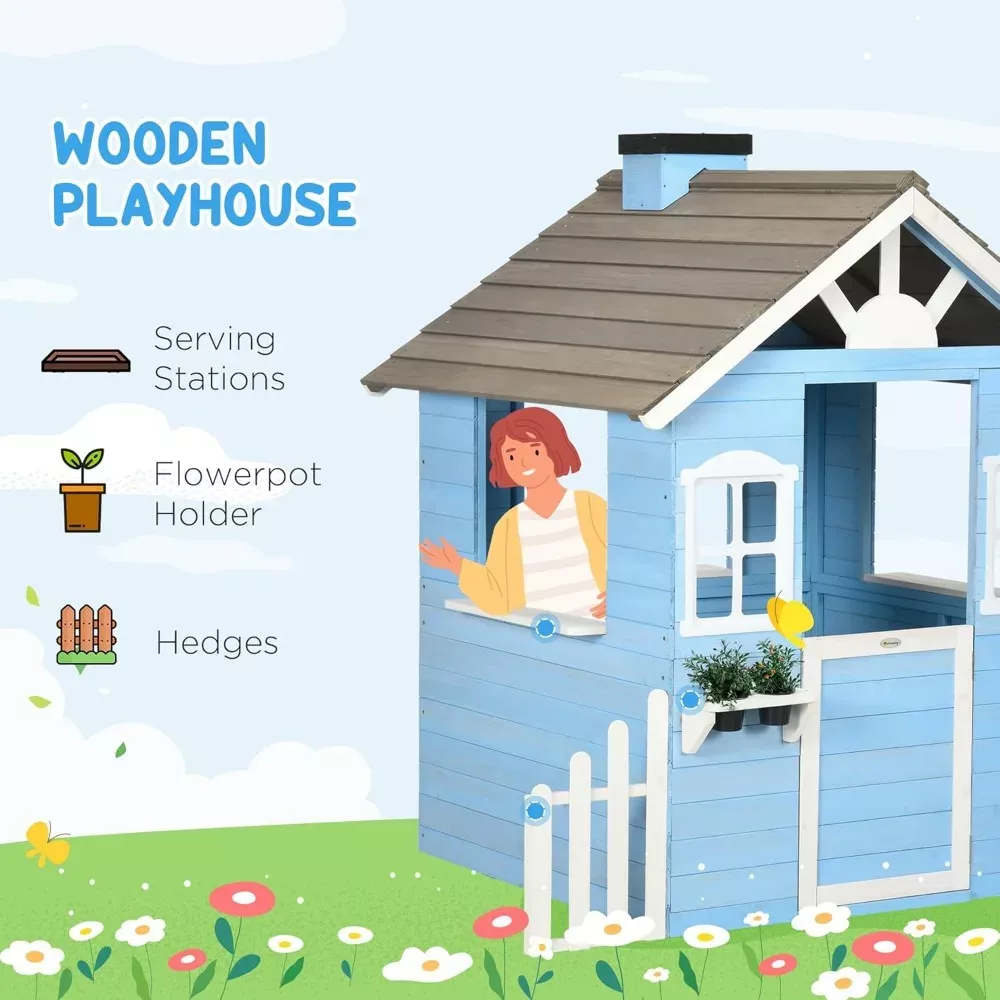
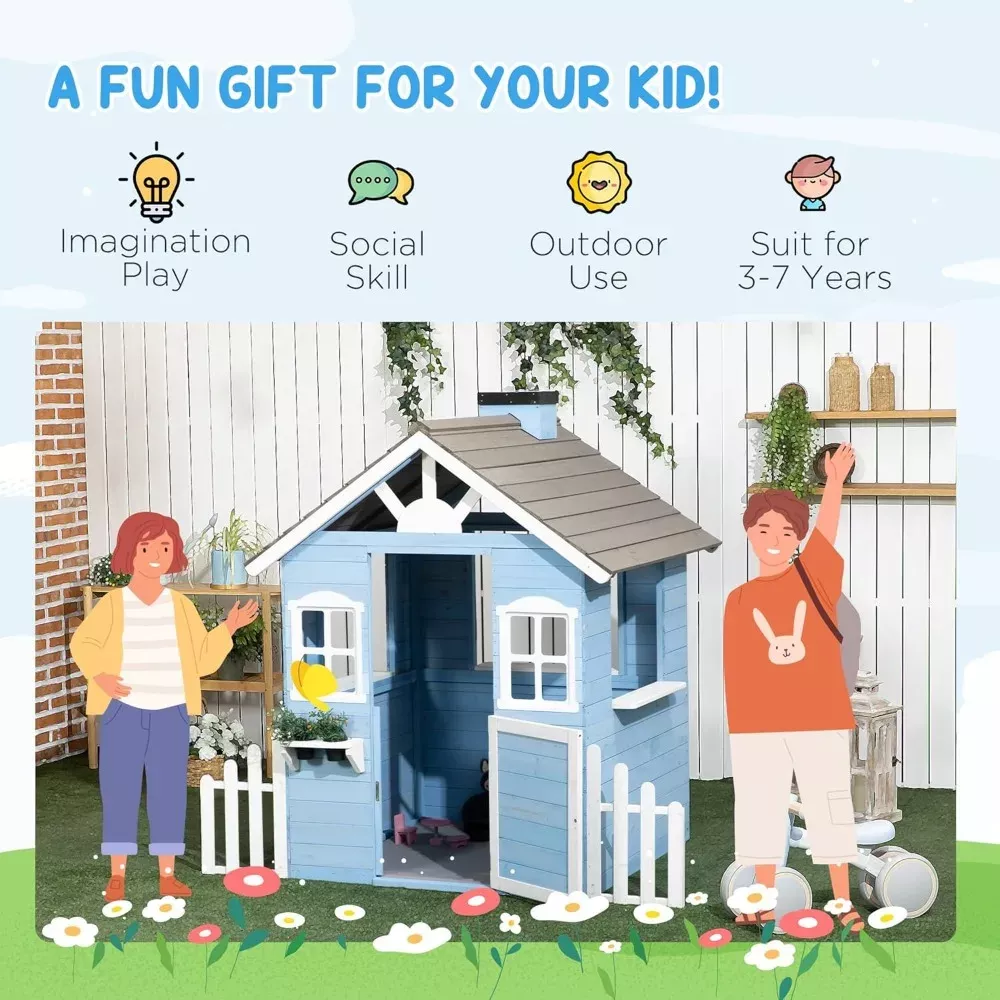
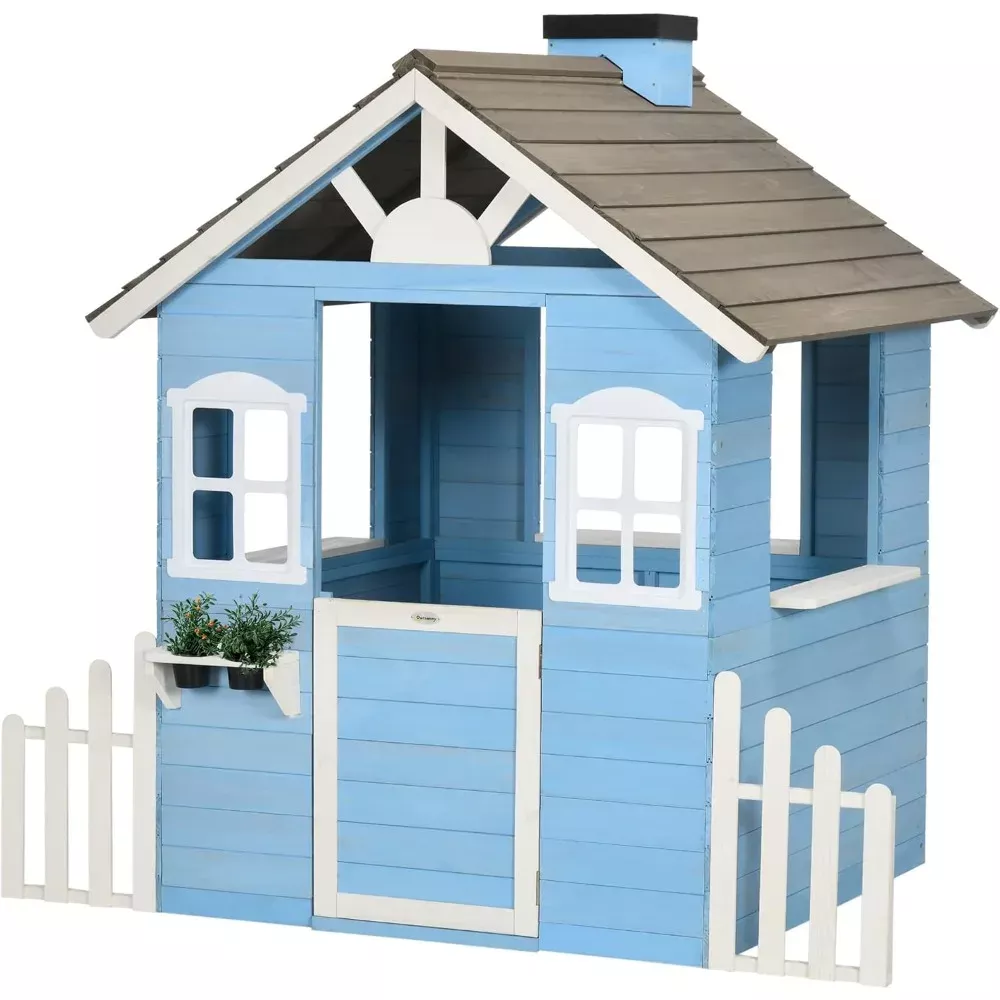
Bring your child’s imagination to life with this charming Country Style Wooden Playhouse. Perfectly designed for kids aged 3 to 7, this outdoor playhouse offers a whimsical retreat where your little ones can create endless adventures. With its classic design featuring retro windows, a cozy half-sized front door, and delightful flower pot holders, this playhouse is more than a toy—it’s a world of creativity waiting to be explored.
Features That Make It Stand Out
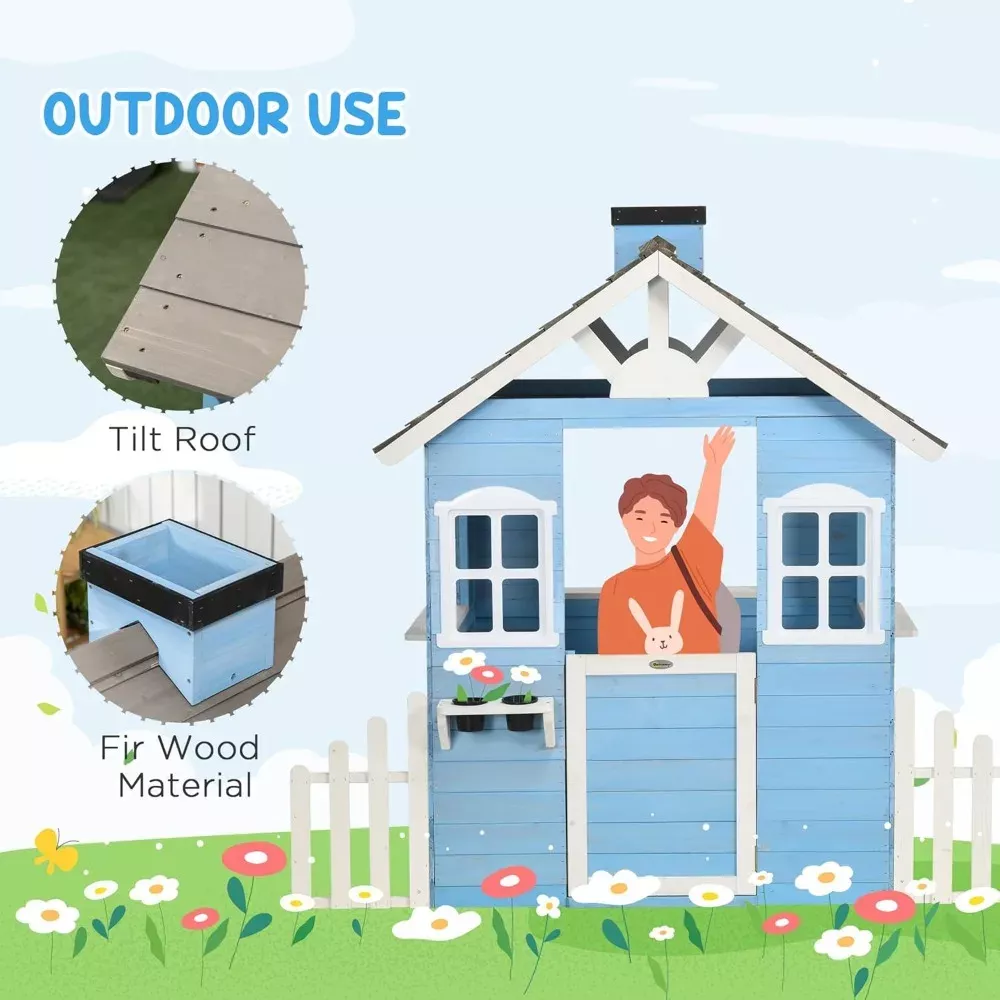
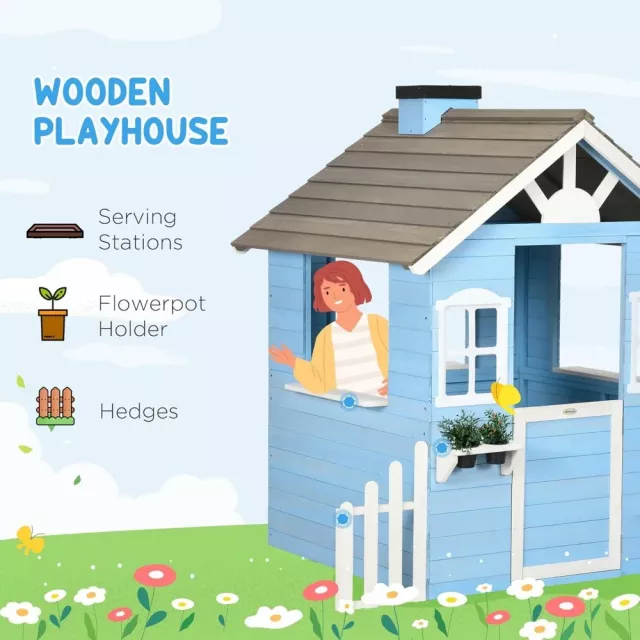
Crafted from durable fir wood, this playhouse is built to withstand the elements, ensuring years of fun and adventure. The slanted roof keeps rain from pooling, providing shade and a comfortable space to play. Its thoughtful details, like side hedges and service stations, add layers of fun and practicality.
- Durable Fir Wood Construction: Long-lasting and weather-resistant, perfect for outdoor use.
- Charming Country Design: Retro windows, a cozy front door, and flower pot holders add timeless charm.
- Educational Benefits: Stimulates imagination, fosters social skills, and encourages creative play.
- Easy Assembly: Pre-drilled holes make setup quick and hassle-free.
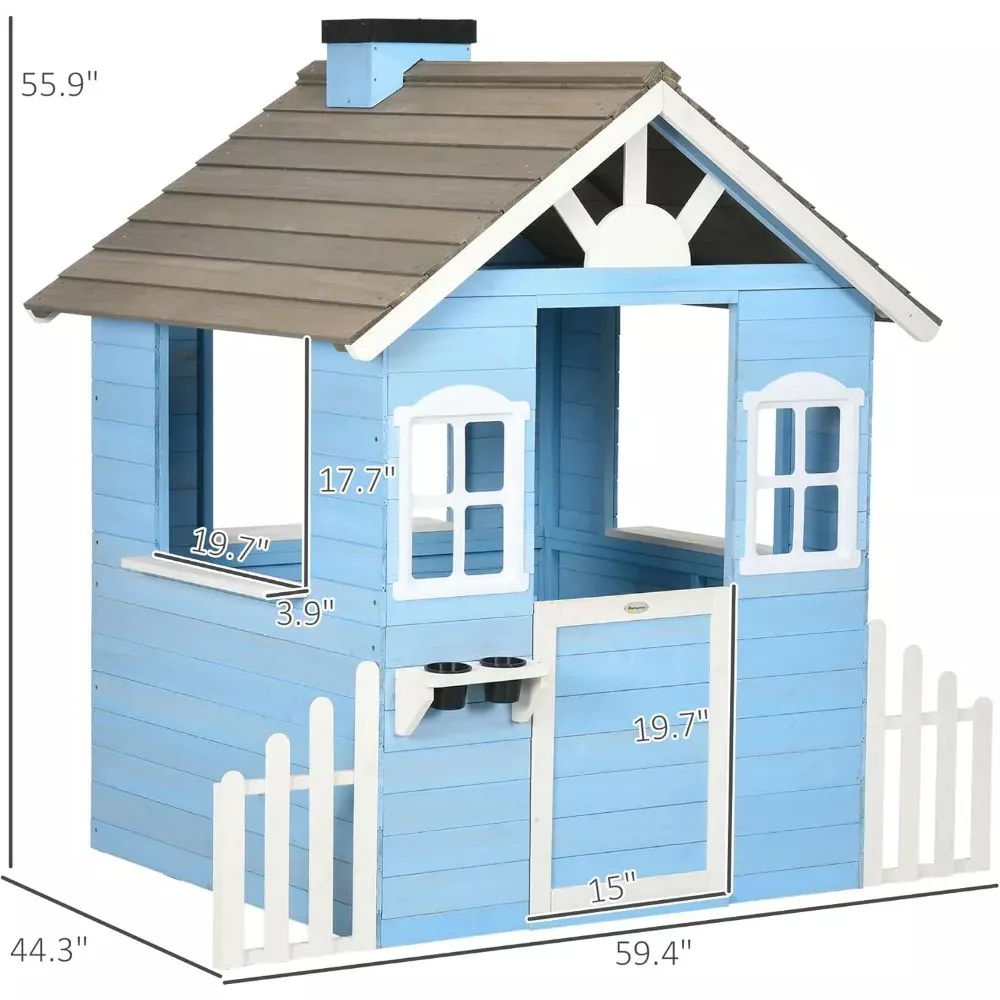
- Perfect Size for Kids: Measuring 59.4″ W x 44.3″ D x 55.9″ H, it’s ideal for little adventurers.
Why Choose This Wooden Playhouse?
This playhouse isn’t just a toy; it’s a place where your child can develop vital skills while having fun. Whether hosting a pretend tea party, tending to the flower pots, or running a service station, kids will learn through imaginative play. The sturdy wooden frame ensures safety and durability, making it a long-lasting addition to your backyard.
Benefits That Parents Will Love
- Encourages Outdoor Play: Keeps children active and engaged in the fresh air.
- Safe and Reliable: Designed with kids’ safety in mind using non-toxic materials.
- Enhances Social Interaction: A perfect setting for cooperative play with friends and siblings.
Make Your Backyard the Ultimate Play Destination
Create unforgettable childhood memories with this delightful outdoor wooden playhouse. Whether it’s a sunny afternoon of play or an imaginative escape, this playhouse will be the centerpiece of your child’s adventures. Order today and give your little ones a world of fun, right in your backyard!
We are proud to offer international shipping services that currently operate in over 200 countries and islands world wide. Nothing means more to us than bringing our customers great value and service. We will continue to grow to meet the needs of all our customers, delivering a service beyond all expectation anywhere in the world.
How do you ship packages?
Packages from our warehouse in China will be shipped by ePacket or EMS depending on the weight and size of the product. Packages shipped from our US warehouse are shipped through USPS.
Do you ship worldwide?
Yes. We provide shipping to over 200 countries around the world. However, there are some locations we are unable to ship to. If you happen to be located in one of those countries we will contact you.
What about customs?
We are not responsible for any custom fees once the items have shipped. By purchasing our products, you consent that one or more packages may be shipped to you and may get custom fees when they arrive to your country.
How long does shipping take?
Shipping time varies by location. These are our estimates:
| Location | *Estimated Shipping Time |
| United States | 10-30 Business days |
| Canada, Europe | 10-30 Business days |
| Australia, New Zealand | 10-30 Business days |
| Central & South America | 15-30 Business days |
| Asia | 10-20 Business days |
| Africa | 15-45 Business days |
Do you provide tracking information?
Yes, you will receive an email once your order ships that contains your tracking information. If you haven’t received tracking info within 5 days, please contact us.
My tracking says “no information available at the moment”.
For some shipping companies, it takes 2-5 business days for the tracking information to update on the system. If your order was placed more than 5 business days ago and there is still no information on your tracking number, please contact us.
Will my items be sent in one package?
For logistical reasons, items in the same purchase will sometimes be sent in separate packages, even if you've specified combined shipping.
If you have any other questions, please contact us and we will do our best to help you out.
Order cancellation
All orders can be cancelled until they are shipped. If your order has been paid and you need to make a change or cancel an order, you must contact us within 12 hours. Once the packaging and shipping process has started, it can no longer be cancelled.
Refunds
Your satisfaction is our #1 priority. Therefore, you can request a refund or reshipment for ordered products if:
- If you did not receive the product within the guaranteed time( 45 days not including 2-5 day processing) you can request a refund or a reshipment.
- If you received the wrong item you can request a refund or a reshipment.
- If you do not want the product you’ve received you may request a refund but you must return the item at your expense and the item must be unused.
We do not issue the refund if:
- Your order did not arrive due to factors within your control (i.e. providing the wrong shipping address)
- Your order did not arrive due to exceptional circumstances outside the control of venerium.com (i.e. not cleared by customs, delayed by a natural disaster).
- Other exceptional circumstances outside the control of https://venerium.com
*You can submit refund requests within 15 days after the guaranteed period for delivery (45 days) has expired. You can do it by sending a message on Contact Us page
If you are approved for a refund, then your refund will be processed, and a credit will automatically be applied to your credit card or original method of payment, within 14 days.
Exchanges
If for any reason you would like to exchange your product, perhaps for a different size in clothing. You must contact us first and we will guide you through the steps.
Please do not send your purchase back to us unless we authorise you to do so.
Customer Reviews
There are no reviews yet